Tech-Led Blog

LED Spectrum & Wavelengths

  • 520nm Green LED Lighting: SMD, Light Source, & Wavelength Options

    520-nm-LED-lighting-a-machine-vision-inspection

    520 nm green LEDs are crucial in industrial vision systems and agricultural sensors. In machine vision, this green wavelength aligns with peak camera sensitivity and helps produce balanced white-light illumination for accurate imaging. In agricultural applications, green light is strongly reflected by plant foliage, providing a means for canopy imaging and photosynthesis detection proxies like…

    Continue Reading...

  • 630 nm Red LEDs for Biometric and Optical Sensor Applications

    630nm Biometric Sensing

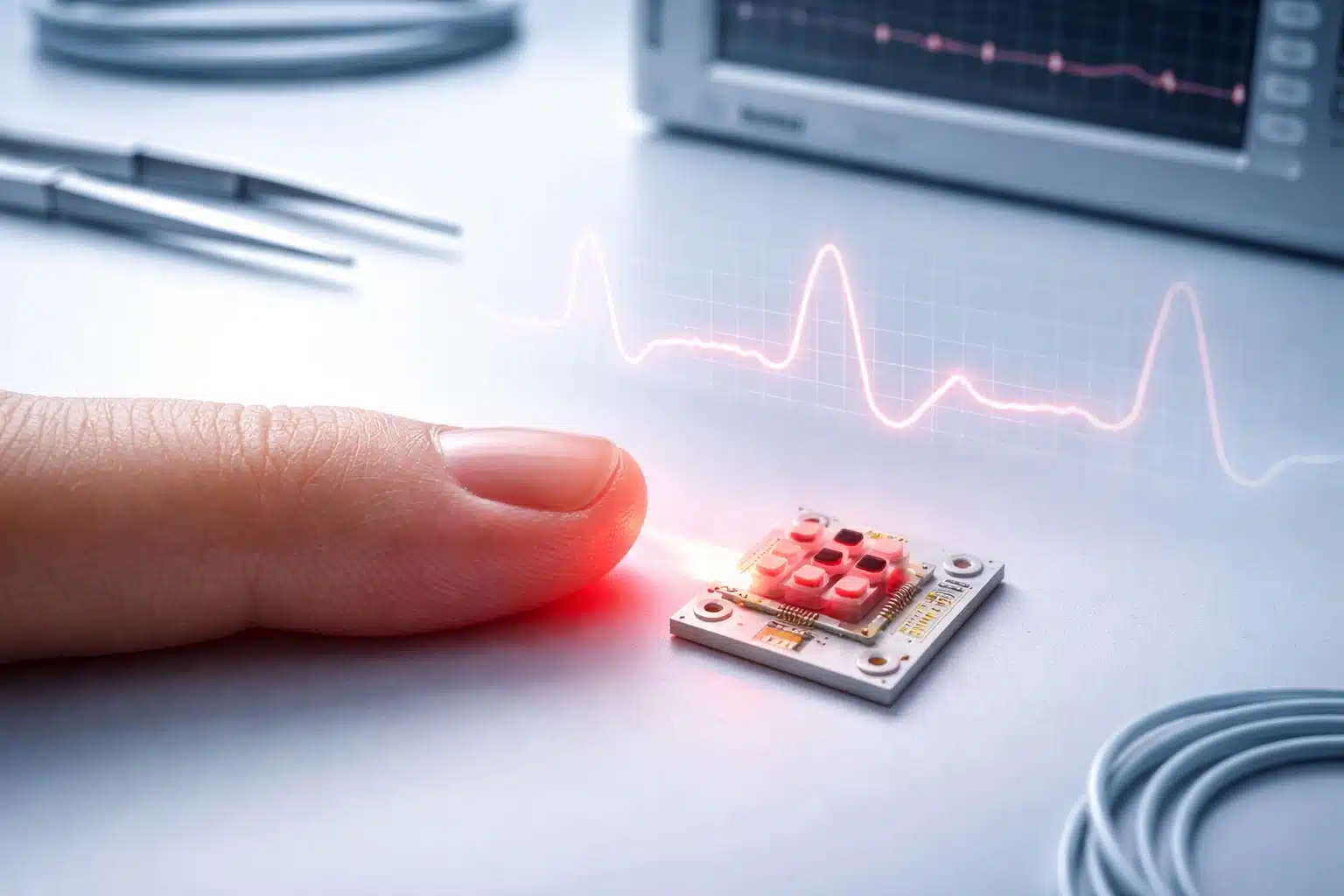
    630 nm red LEDs have emerged as critical components in modern biometric sensors, offering a precise light source for measuring physiological signals beneath the skin. This particular wavelength is ideal for penetrating human tissue to illuminate blood vessels while still being selectively absorbed by key biomolecules like hemoglobin. The result is a balanced interplay of…

    Continue Reading...

  • 450 nm Blue LEDs: Balancing Intensity and Efficiency in Inspection Lighting

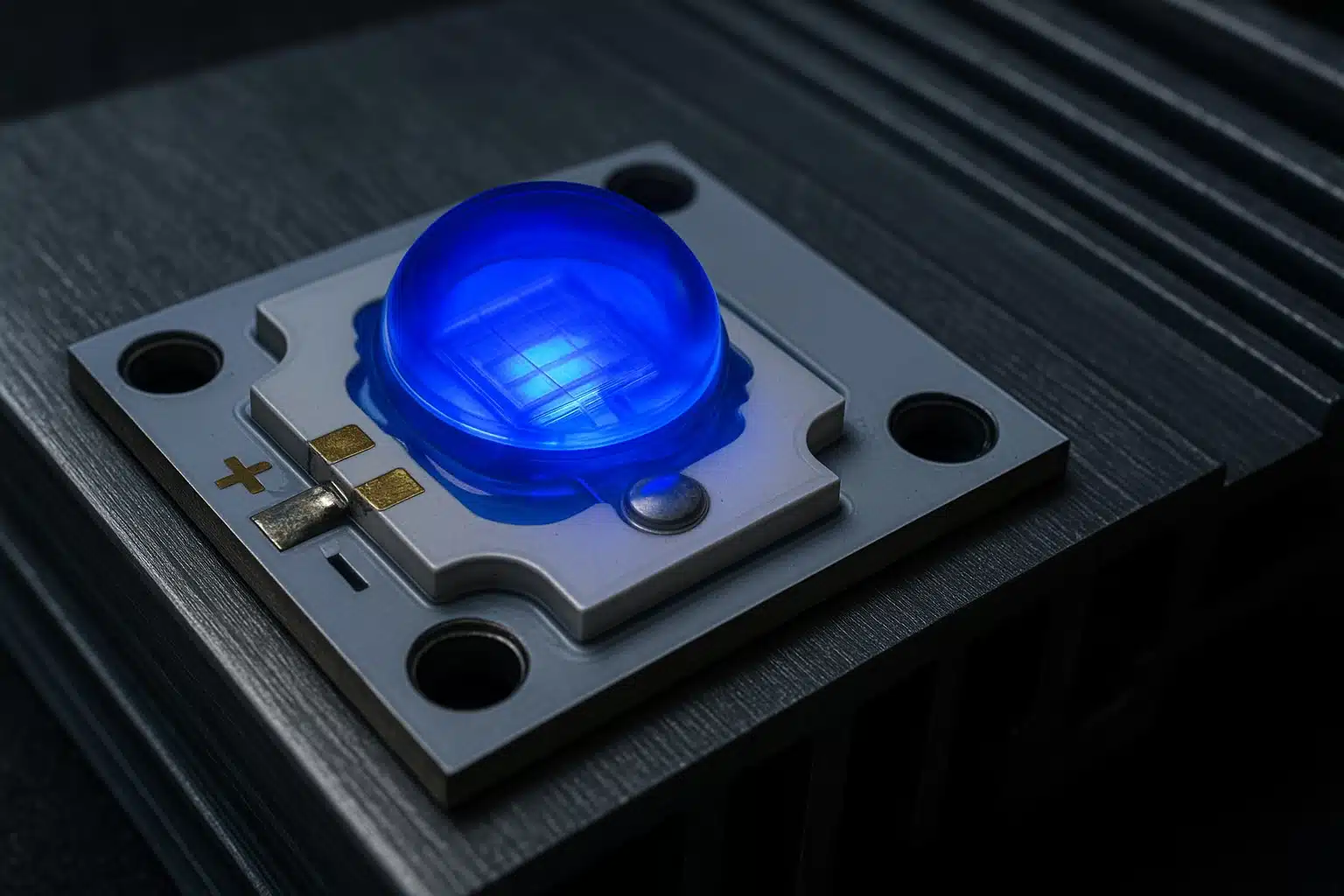
    In industrial inspection and machine vision systems, high-power 450nm LED sources have become a key element for providing intense blue illumination. This “royal blue” wavelength sits at the cusp of the visible spectrum between violet and green, offering high-energy photons for enhanced contrast without veering into ultraviolet UV light. These high power LEDs provide intense…

    Continue Reading...

  • 405 nm Violet (UV-A) LED Wavelength for Fluorescence & Optical Detection

    405nm violet led

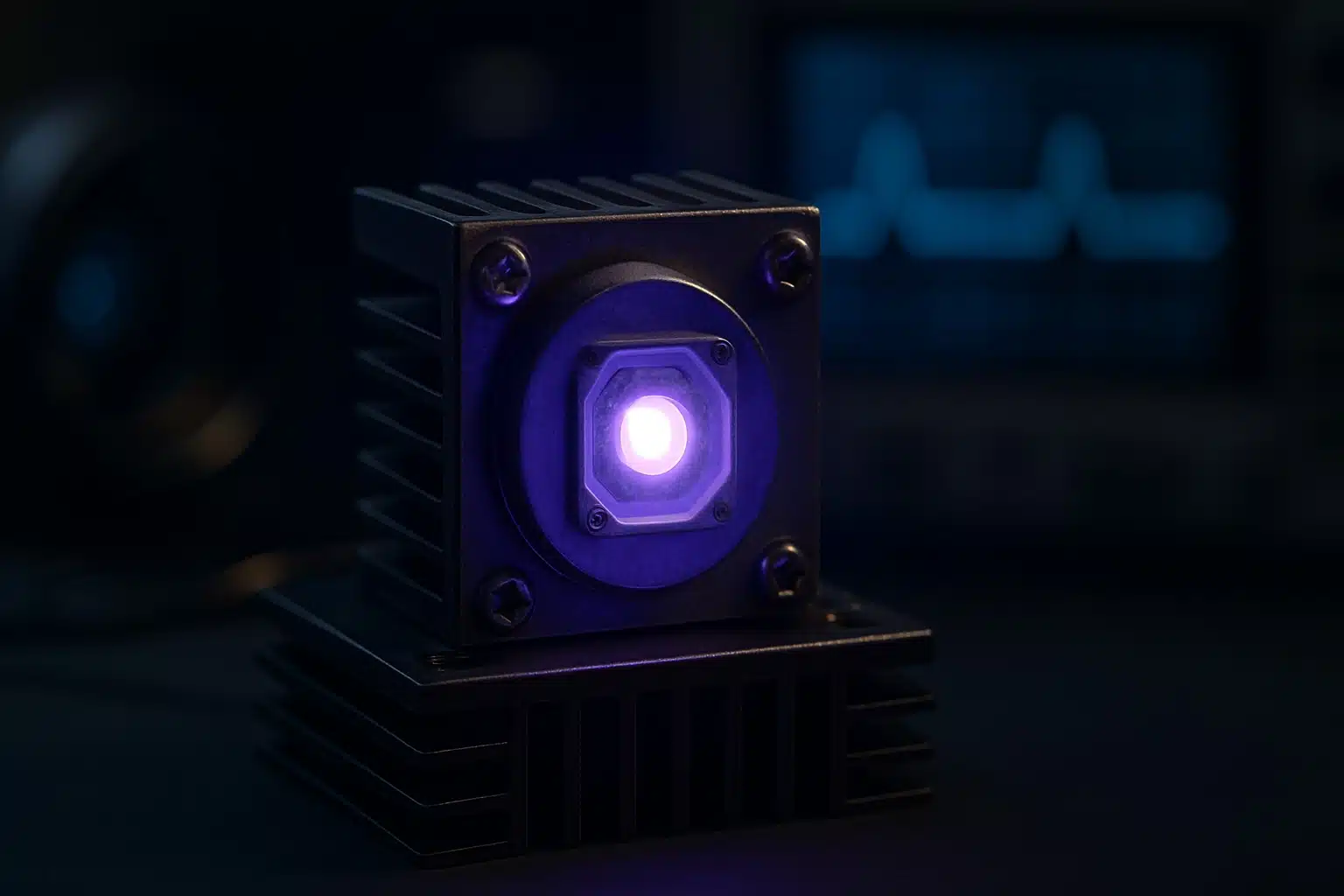
    405 nm LED technology sits at the border of visible violet and ultraviolet light (UV-A), effectively functioning as an ultraviolet LED in the UV-A range, making it a unique member of the UV & Near-UV LEDs (235–420 nm) category. This near-ultraviolet wavelength offers distinct advantages for industrial optical systems. From fluorescence microscopy and machine vision…

    Continue Reading...

  • 365nm UV LED Curing: UVA vs 395nm Comparison

    UV LED Curing

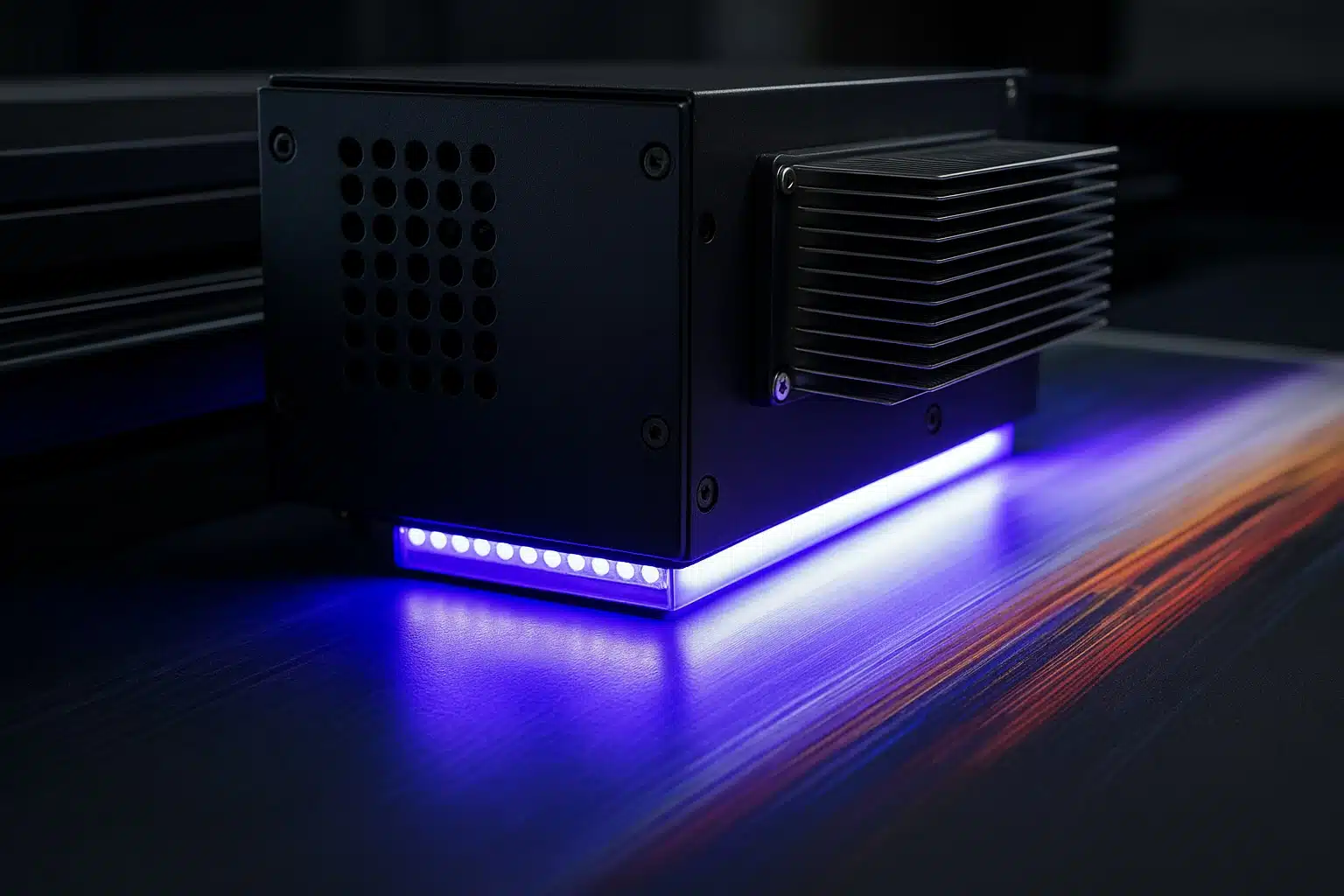
    In the UV curing world, 365 nm is widely recognized as the standard UV-A LED curing wavelength. This specific LED wavelength lies in the long-wave ultraviolet range, delivering “invisible” UV light that triggers photochemical reactions without stray visible glare. From curing inks and coatings to bonding adhesives and hardening 3D printing resins, 365nm UV LEDs…

    Continue Reading...

  • LED Wavelength Guide: From UV to Infrared Light-Emitting Diodes

    Macro photo of a gloved engineer holding a small LED circuit board with LEDs glowing in a gradient of colors from violet and blue to green, yellow, and red, with infrared LEDs labeled 850 nm and 1550 nm against a blurred electronics lab background.

    Wavelength is a defining characteristic of any LED light. It determines the LED’s color (or invisibility in ultraviolet and infrared bands) and influences its efficiency and best applications. By selecting the right LED wavelength – from UV curing at 365 nm to SWIR imaging beyond 1500 nm – engineers can optimize performance for tasks ranging…

    Continue Reading...

Email